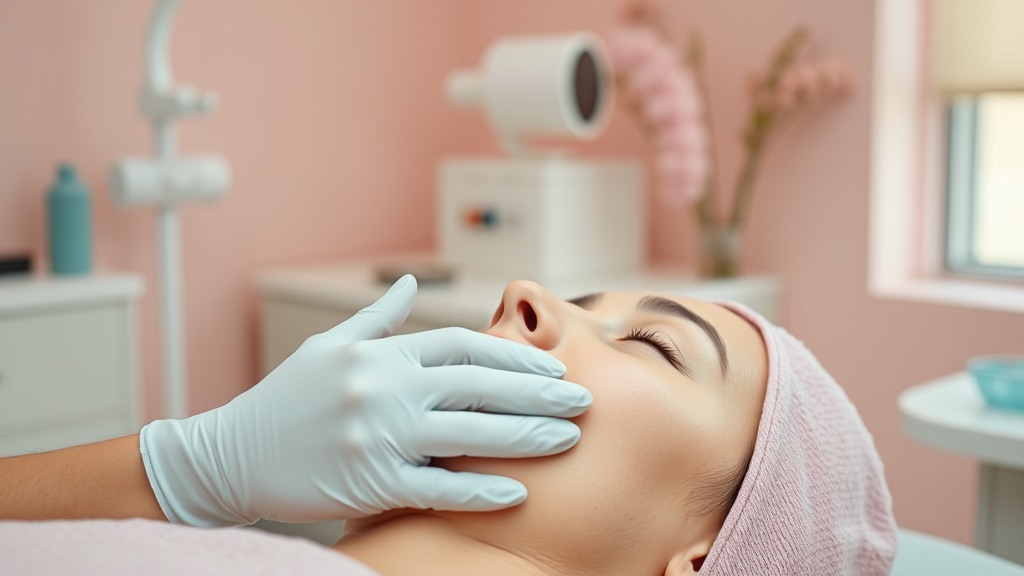
Most people searching for a medical facial in Johor Bahru are not looking for a spa afternoon. They have a specific problem — stubborn acne, dark marks that will not fade, skin that looks tired no matter how much they sleep — and they want to know whether a facial will actually fix it. The honest answer is: sometimes yes, sometimes no, and the difference usually comes down to whether you booked a medical facial or a beauty facial. This guide is about choosing correctly the first time.
The short version of the difference
A beauty facial is a pampering, surface-level treatment. Cleansing, steaming, extraction, a mask, a massage. It works on the outer layer of skin and it feels wonderful.
A medical facial is done in a medispa or clinic setting, under medical supervision, and it can use higher-strength actives, prescription-grade products and devices that are restricted to trained practitioners. It starts with a skin consultation and it is aimed at changing skin behaviour, not just cleaning it.
Both have a place. The waste happens when someone spends months on relaxation facials for a condition that needed treatment.
Which one should you book for your concern?
Active acne (pimples, pustules, painful bumps under the skin) Book medical. Acne is a medical condition involving oil production, bacteria and inflammation. A medical acne treatment plan may combine in-clinic procedures with topical or oral medication. Aggressive extraction at a beauty salon can worsen inflamed acne and increase scarring risk.
Pigmentation, melasma, dark marks after acne Book medical. Pigmentation is layered and needs a proper diagnosis first — melasma behaves very differently from post-inflammatory marks and from sun damage, and the wrong treatment can darken it. This is one of the most common reasons people come to us after months of no progress elsewhere.
Dull, congested, rough-textured skin Either can help. If it is mild and you want maintenance and relaxation, a beauty facial is reasonable. If dullness is persistent, a medical facial or a light chemical peel typically gives a more noticeable change because it works at a deeper level.
Early ageing — fine lines, laxity, loss of firmness Book medical. Surface facials do not reach the layers where these changes happen. A clinic can assess whether topical actives, energy-based devices or other procedures suit you.
Sensitive or reactive skin, rosacea-type redness Book medical, and be cautious. Sensitive skin is where the most damage gets done by well-meaning but unsuitable treatments. A doctor-led assessment identifies triggers and barrier damage before anything is applied.
Pre-event glow (wedding, photos, raya, graduation) Either — but timing matters more than type. Do not try a new treatment days before an event. Start at least several weeks ahead so your skin has time to settle.
What a medical facial can do that a beauty facial cannot
- Use medical-grade concentrations of actives, including chemical peel formulations that require trained supervision
- Prescribe medication when a skin condition needs it
- Diagnose. A beautician is not trained to tell you that your "acne" is actually fungal folliculitis, or that a changing mole needs review
- Treat with clinic-restricted devices
- Build a staged plan rather than repeating the same treatment indefinitely
What happens at a first skin consultation
Nothing dramatic. Expect roughly this:
- A conversation about your concern, how long you have had it, and what you have already tried
- Questions about medical history, medications, allergies, pregnancy or breastfeeding, and sun exposure
- A close look at your skin, sometimes with magnification or photographs for tracking
- A discussion of realistic options, what each involves, and what it does not do
Suitability always depends on that assessment. Two people with the same complaint often need different plans, and some conditions need medical treatment before any facial is appropriate.
Downtime and what to expect afterwards
Beauty facials generally have no downtime beyond temporary redness.
Medical facials vary. A gentle one may leave you slightly pink for a few hours. A chemical peel may cause dryness, tightness or visible flaking for several days, depending on depth. Stronger treatments require more recovery.
After any clinical treatment, plan for:
- Diligent sun protection — non-negotiable, especially for pigmentation
- Pausing exfoliants, retinoids and scrubs until advised
- Gentle cleansing and good moisturising
- Not picking or peeling flaking skin
Results build gradually over a course of treatments rather than appearing after one session.
How to avoid wasting money
- Get a diagnosis before buying a package. Paying upfront for ten sessions of the wrong treatment is the most common regret we see
- Ask who performs the treatment and what their training is
- Be sceptical of anyone promising guaranteed or permanent results
- Tell the clinic every product and medication you use — some interact badly with peels and actives
- Treat home care as part of the plan, not an upsell. In-clinic work fails without it
Speaking to us
Mediwira Medispa clinics offer doctor-led skin consultations, medical facials, chemical peels and acne treatment, with a plan built around your actual skin rather than a fixed menu. If you are unsure which category your concern falls into, that is exactly what a consultation is for.
Related reading: adult acne and when to see a doctor, managing melasma in Malaysian skin, types of acne scarring and what can be done, and how to check who is qualified to treat your skin.
You can find locations such as Dr Glow Medispa Larkin and Mediwira Medispa Pasir Gudang. Each Mediwira clinic's phone number is also its WhatsApp line, so you can message us directly for enquiries or to book an appointment.
This article is general skincare information and not personal medical advice. What is suitable for you can only be determined after an assessment.