If you have been searching for braces price Malaysia, you have probably noticed that no two clinics quote the same figure — and that most quotes come with a footnote. That is not clinics being cagey. Braces are not a product on a shelf; they are a treatment plan that runs for a year or two, and the cost of braces depends on how much tooth movement your case needs, what appliance is used, and how many visits it takes to get there. Here is a plain explanation of what actually sits inside the number, so you can compare quotes properly instead of just picking the cheapest one.
What actually drives the price
Four things move the figure more than anything else:
- Case complexity. Mild crowding that needs a bit of alignment is a different job from a bite that does not meet correctly, impacted teeth, or gaps that need closing. More movement means more appointments and more chair time.
- Appliance type. Metal, ceramic and clear aligners have different material and lab costs.
- Treatment length. A longer case means more review visits, and reviews are where a lot of the real work happens.
- Who is treating you. A general dentist doing straightforward alignment and a specialist orthodontist handling a complex bite are not the same scope of care, and the fee reflects that.
Metal braces
Traditional metal brackets are still the workhorse, and for good reason. They are strong, they handle complex movements well, and they are usually the most affordable option. The trade-off is visibility — they are obvious when you smile — and the usual adjustment period where cheeks and lips need a week or two to settle.
For teenagers and for difficult bites, metal is very often the sensible choice rather than a compromise.
Ceramic braces
Ceramic brackets work the same way as metal but are tooth-coloured, so they blend in far better at conversational distance. They typically cost more than metal because the brackets themselves are more expensive and slightly more delicate to handle.
Two honest caveats: ceramic brackets can chip if you are rough with them, and the elastic ties can stain with curry, teh tarik and coffee between visits. The ties get changed at every review, so this is manageable — just not invisible.
Clear aligners
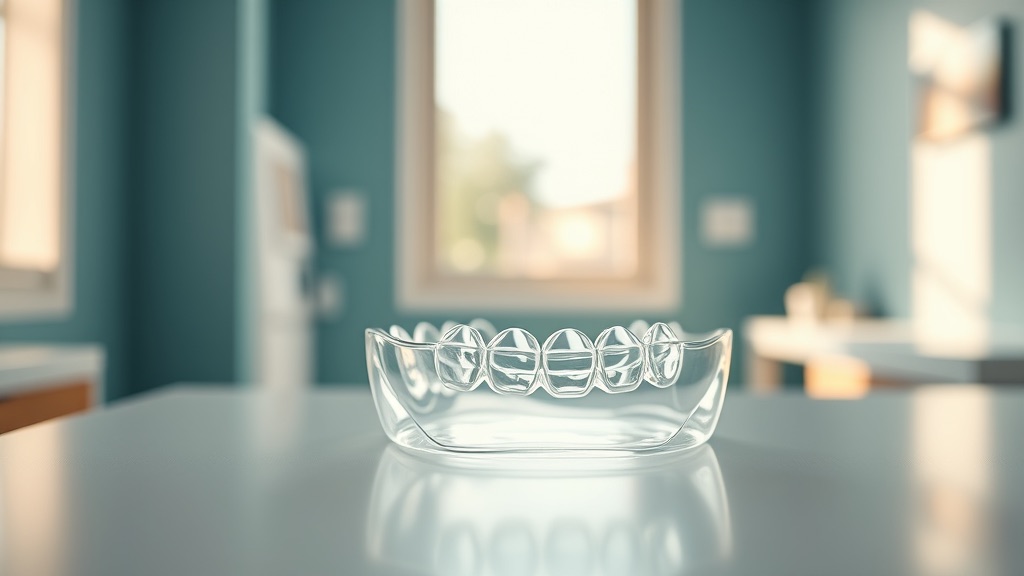
Clear aligners Malaysia searches have grown fast, and the appeal is obvious: removable, nearly invisible trays you change on a schedule. You take them out to eat, so no food restrictions, and cleaning your teeth is easier.
What people underestimate is the discipline. Aligners only work while they are in your mouth — typically 20 to 22 hours a day. If you keep taking them out, treatment stalls and the timeline stretches. Aligners also cost more in most cases because each set of trays is custom-manufactured, and not every case is suitable; some bite corrections are still better handled with fixed braces.
What is usually included, and what is charged separately
This is where quotes diverge most. Ask any clinic to split it out:
- Usually included: the appliance itself, bonding or fitting, and the routine adjustment or review visits during active treatment.
- Often charged separately: the initial consultation, diagnostic records such as x-rays and photographs, scaling and any fillings needed before starting, and extractions if your plan requires space.
- Frequently a separate line: retainers after the braces come off, and replacements if you lose them.
- Sometimes extra: emergency visits for a broken bracket, and refinement trays for aligner cases.
Retainers deserve a special mention. Teeth drift back — this is normal biology, not a failure. Retainers are part of treatment, not an optional add-on, and you will wear them long term, usually nightly. Any plan that does not mention retainers is incomplete.
How long treatment takes
Most comprehensive cases run somewhere between about 18 and 30 months, with simpler alignment sometimes finishing faster and complex bites taking longer. Reviews are commonly every four to eight weeks for fixed braces, and often a bit less frequent for aligners.
Your orthodontist can only estimate at the start. Bone and gum tissue remodel at their own pace, and missed appointments or broken brackets add time.
Questions to ask before you commit
Bring this list to your consultation:
- What is my diagnosis, and what are the realistic options for my case?
- What is the total fee, and what specifically is not included?
- Are x-rays, extractions and retainers inside the quote or billed separately?
- How many review visits are covered, and what happens if I need more?
- Who will treat me — a general dentist or a specialist orthodontist?
- What are the payment terms, and does the schedule change if treatment runs longer?
- What happens if a bracket breaks or I lose an aligner?
Get the answers in writing. A clinic confident in its plan will have no problem giving you a written breakdown.
Talk to us
Mediwira Dental clinics offer orthodontic consultations where we assess your case, explain which appliance suits you and give you a clear written breakdown before you decide anything. No pressure to start on the day.
Before starting orthodontic treatment, most patients also need their gums and any decay dealt with first — our guide on how often you actually need a dental cleaning explains why braces wearers are usually asked to come in more frequently. If a tooth needs extraction to create space, this article on saving versus removing a tooth may also be useful.
You can find clinic locations such as T-Low Dental SS2 Petaling Jaya on our clinics page. Each Mediwira Dental clinic's phone number is also its WhatsApp line — message us there for enquiries or to book an appointment, and we will get back to you.
This article is general information and not a formal quotation. Treatment suitability and cost can only be determined after an examination by a dentist.